A Meta Reels ads creative brief turns a service offer into a short vertical-video assignment that a marketer, designer, editor and business owner can review before production. It defines the buyer question, the evidence the business can show, the message that must remain visible and the next step after the viewer acts. Without that shared brief, a team can produce an attractive clip that does not explain the service or match its destination. Meta currently recommends creative built for Reels, including vertical video, quality audio and key elements positioned within the safe zone. Those platform recommendations still need to be translated into the realities of each service, language and market. This guide provides a practical briefing and review process for campaigns aimed at buyers in Turkey, the United States or the Gulf, without promising a particular cost, conversion rate or sales result.
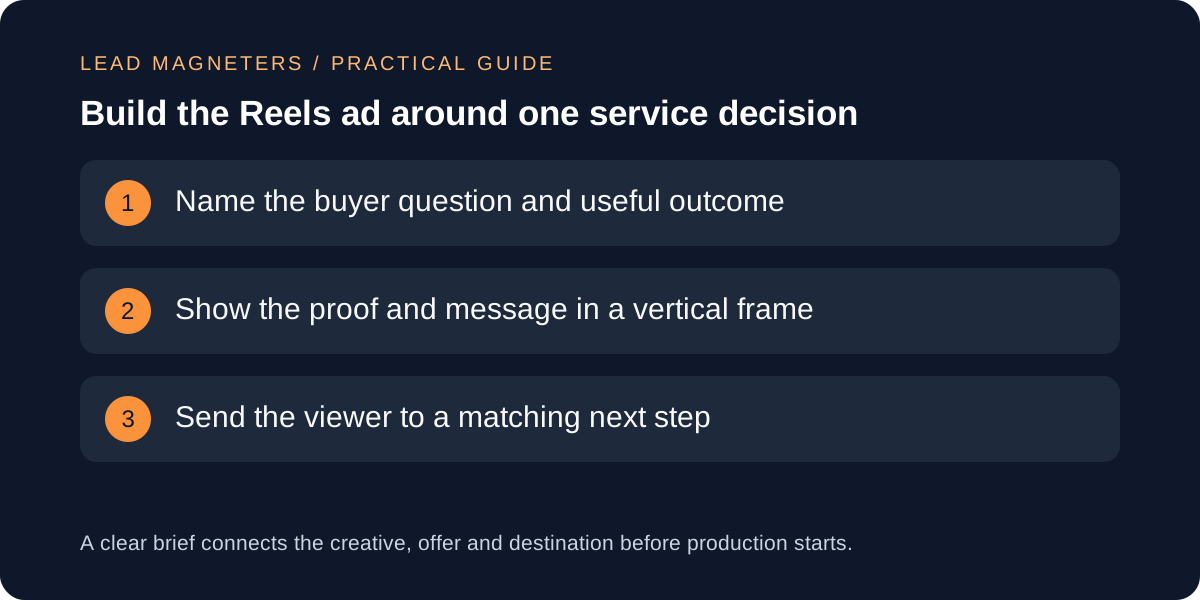
Start with one buyer question and one useful outcome
Write the business objective in plain language before describing camera angles or transitions. A Reels ad for a website-development service might help a buyer recognise why a mobile enquiry journey is failing. An advertising-management ad might help a team distinguish more leads from more qualified leads. Choose one question that the service page can answer and one action the viewer can take next. Avoid asking a short video to introduce the agency, explain every service, prove expertise and close a complex sale at the same time.
Define the intended audience using facts that affect the message: service need, market, language, delivery scope and decision stage. Geography alone is rarely a complete creative brief. A Turkish company seeking international customers may need English or Arabic creative, while a Gulf buyer may still require proof that the provider can support the relevant market and working process. Record what the campaign does not target as well. This keeps the script focused and helps reviewers recognise when an appealing idea belongs in a different campaign.
Turn the service promise into a visible sequence
Outline the video as a sequence of observable moments: the buyer problem, the relevant method or evidence, and the next step. For a service business, evidence might be a product interface, an approved process diagram, a qualified team member explaining a decision or a before-and-after workflow that can be supported. Do not invent client results, display confidential dashboards or use a generic stock scene as if it documented a real engagement. If a result needs context, include that context in the script or choose a more modest claim.
Write the opening so a viewer can understand the subject quickly, but keep it accurate when separated from the rest of the video. Then specify the on-screen words, spoken words and visual proof for each beat. This exposes gaps before filming. A line promising faster lead follow-up needs a visible workflow or explanation, while a claim about website performance needs a clear test rather than decorative speed graphics. Keep the language natural for the chosen audience and arrange a competent review for translations instead of relying on a literal word-for-word conversion.
Design for a vertical frame and protect the safe zone
Meta presents Reels as an immersive mobile format and recommends creative made for the placement. Set the working canvas to vertical 9:16 when that is the planned asset, then keep essential faces, product details, captions and calls to action away from interface overlays. The brief should identify which details are essential and where they may appear. A logo can move; a qualification statement or service name should not be hidden by a caption, account label or button. Review the current placement preview because interfaces and supported features can change.
Check the video at the size and distance of an ordinary phone viewing session. Text that looks comfortable on an editing monitor can become unreadable on a smaller device. Limit each frame to what the viewer can reasonably process, use strong contrast and avoid rapid changes that make the message hard to follow. Provide captions for spoken content and make the core idea understandable when sound is unavailable. Safe-zone compliance is a practical production check, but it does not replace readable pacing, accessible language or a clear offer.
Review visual and video content planning →
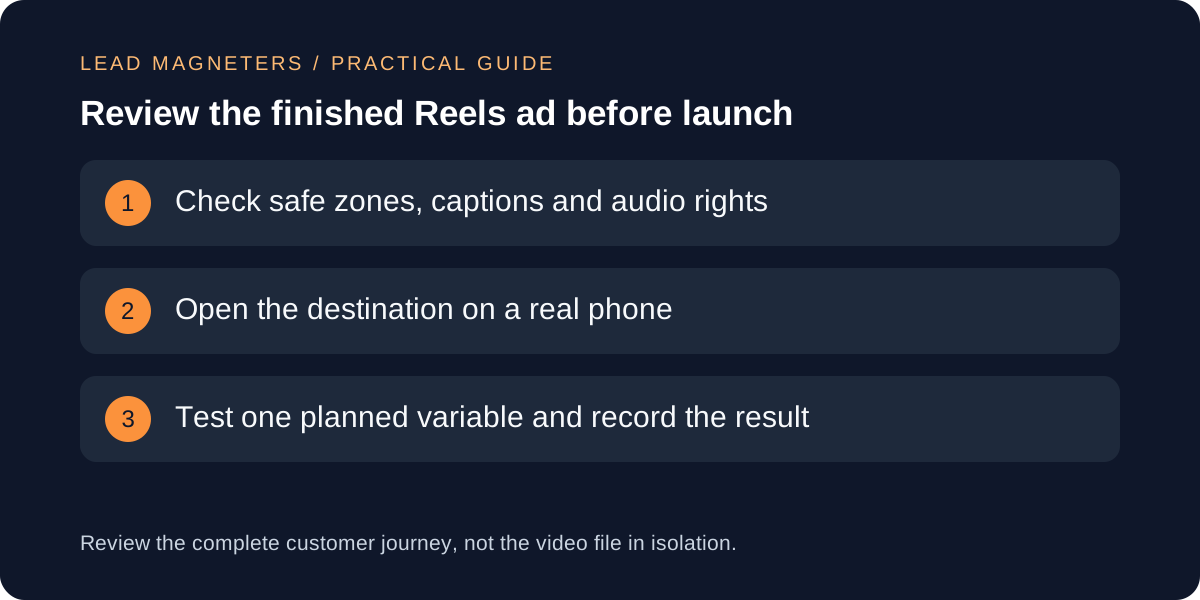
Plan audio, captions and rights before editing
Describe the role of audio in the brief: voice explanation, natural sound, music or a deliberate combination. Meta notes that Reels commonly uses sound, but the advertisement should remain understandable when a person watches silently. Write captions from the approved spoken script, check their timing and preserve meaning when they are shortened for the screen. Confirm pronunciation of service names and locations before recording. For multilingual versions, review both the voice and the displayed text so they communicate the same offer.
Record the rights source for music, footage, fonts and any customer material. Instagram explains that music in its licensed library is generally intended for personal, non-commercial use and that some business accounts may have restricted access; it points businesses toward Meta Sound Collection where available for commercial use. Verify the rights that apply to the actual asset and placement at production time. A track appearing in an editor or social account is not, by itself, proof that it is cleared for advertising. Keep the licence or platform source with the campaign file.
Match the call to action with the destination
State exactly what should happen after the viewer acts. A service ad may lead to a focused page, an approved instant form or another supported destination. The words in the video and the call-to-action control should prepare the viewer for what appears next. If the creative offers a consultation about Meta campaigns, the destination should explain that discussion, required information and follow-up. Sending the viewer to a broad homepage can make the next step harder to find even when the video earns attention.
Open the final destination from a real phone before launch. Check its headline, language, loading experience, form labels, consent information and confirmation state. Use authorised test details and verify the operational handoff separately from the visible success message. Add campaign parameters according to the team's documented naming plan and avoid placing personal information in URLs. The landing page and follow-up process are part of the advertising journey, so record their owners beside the creative owner in the brief.
Approve a test plan instead of a vague request to optimise
Choose the first comparison before the campaign launches. It might test two opening messages, two evidence sequences or a native vertical asset against an existing suitable asset. Change one meaningful variable where the campaign setup allows a fair comparison, and document the audience, placement, budget conditions, dates and success measure. Meta provides an A/B testing route for learning about Reels creative and placements. The appropriate test still depends on the account, campaign objective and available volume; a small result should not be presented as a universal rule.
Review more than video engagement. Connect delivery and viewing signals with the destination experience, accepted enquiries and available sales feedback. Note simultaneous changes that could affect interpretation, including a new offer, altered targeting or a different page. Preserve the approved version, rights record and test notes so the next iteration begins with evidence. For an advertising-management discussion, bring the service offer, audience definition, current asset, destination and qualification criteria. Those materials support a focused production and measurement plan without pretending that creative alone controls the final business outcome.